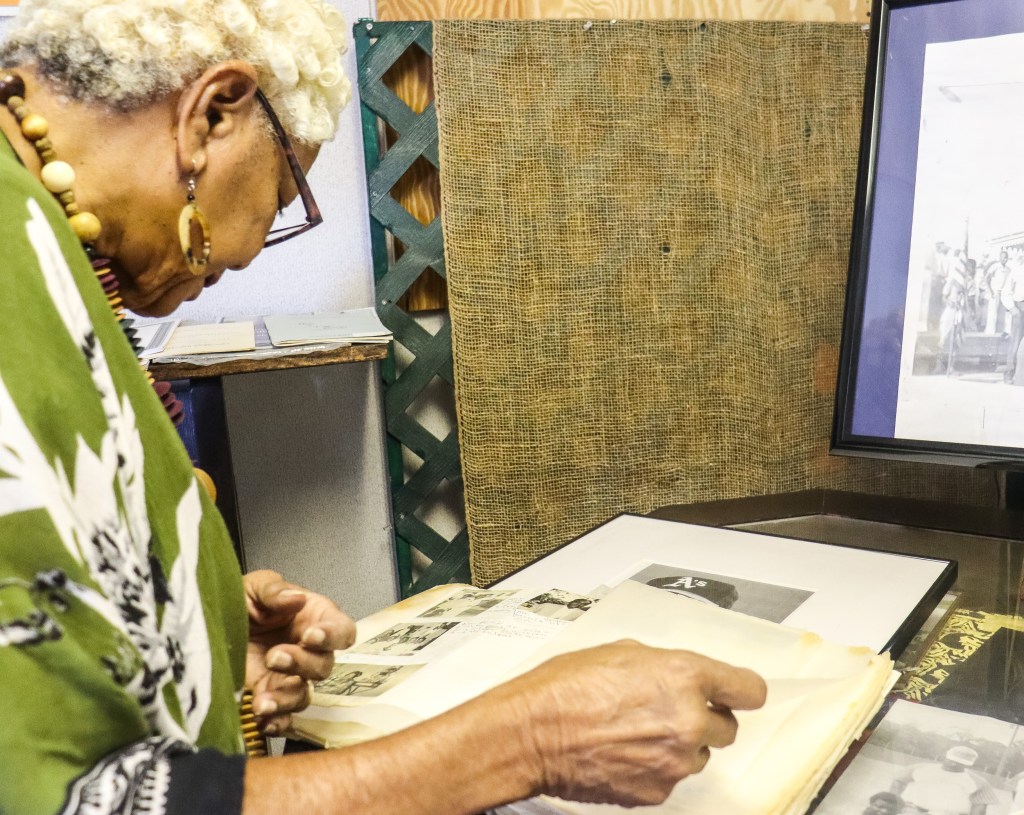
In the Goldsboro Museum, there are rooms filled with photos, flyers, letters and more detailing the history of Goldsboro.
Goldsboro native Francis Oliver has seen, shared and heard countless stories about the history of the community. Oliver, founder of the Goldsboro West Side Historical Community Association and the Goldsboro Museum, said most of the items in the museum are things she’s collected over 60 years.
“I still have the first Valentine’s Day card I got when I was 6 or 7. Some people call that hoarding but I like preserving history,” Oliver laughed.
Oliver’s work and collecting passion led her to be in possession of a book titled, “We Also Ran,” written by Alfreda Wallace, daughter of Goldsboro pioneers Daniel and Frances Jenkins, in 1976 over a three-year period.
In 1976, during the United States’ bicentennial, burying time capsules became a popular trend across the nation.
“That’s how the book got started,” said Oliver. “[Alfreda] was doing the book to put inside a bicentennial time capsule,” as she was a part of the Sanford bicentennial committee.
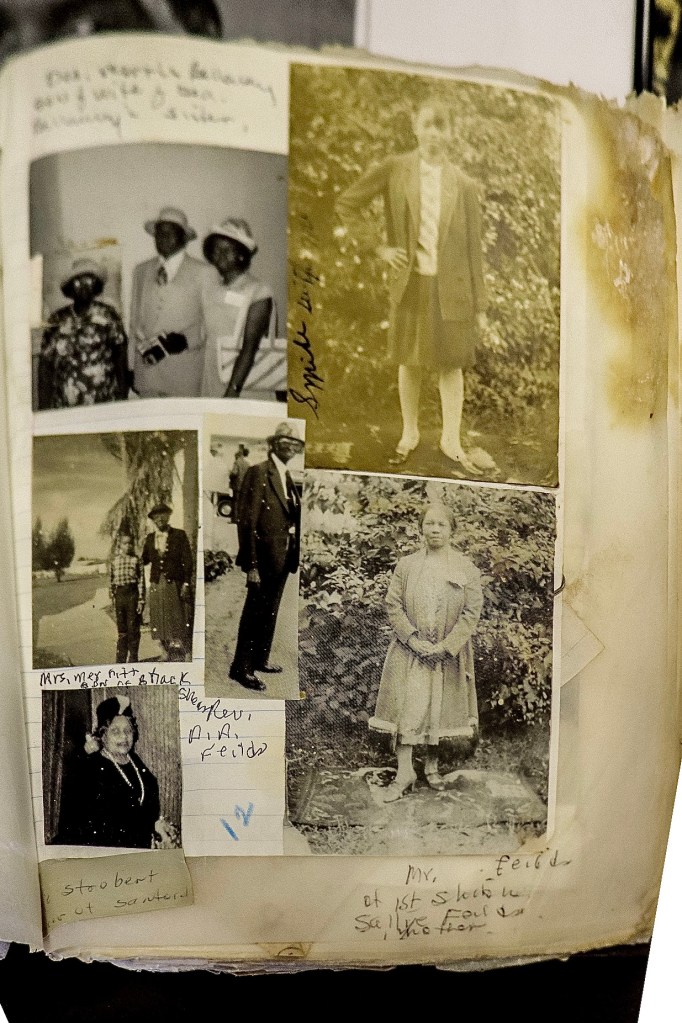
Wallace collected historical stories from elderly residents and photos donated from family photo albums to put inside the book.
In 1979, “We Also Ran,” was more than 388 pages filled with 700 photos and 18 charts detailing the progression of Black life in Sanford and Goldsboro, according to an article in the Evening Herald, now the Sanford Herald.
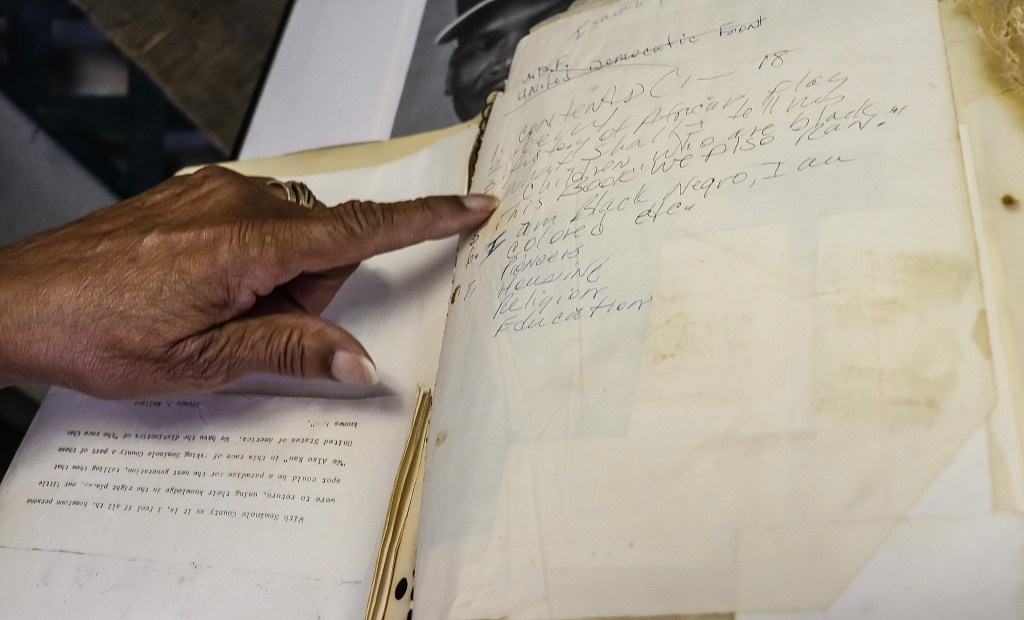
The table of contents in the book show sections on housing, religion, education and poems written by Wallace.
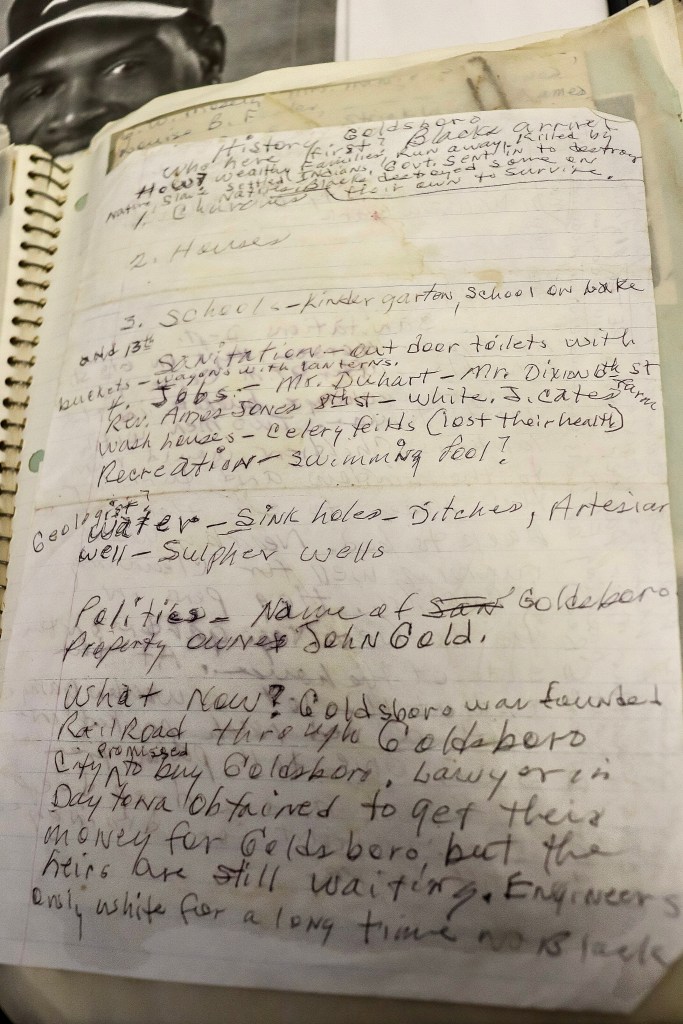
The section in “We Also Ran” about Goldsboro includes the name of the town’s property owner and names of the pioneers, along with details of the City of Sanford’s promise “to buy Goldsboro.”
Wallace’s poems are Oliver’s favorite part of “We Also Ran.”
“Her poem ‘I am’ is my favorite because it talks about what Black women had to endure, especially at that time,” said Oliver.
Wallace — who’d just started searching for publishers – said in an interview with the Evening Herald, “I want to see this completed so much that it’s eating my heart out.”
Wallace later sent the book to several publishers, but all the attempts were rejected seemingly due to the conditions of the book and the way it was put together, according to Oliver.
“[Alfreda Wallace] couldn’t type on a typewriter,” said Oliver. “That’s how I learned about the book. She called me asking if I could type it for her, but I wasn’t a good typer and couldn’t do it.”
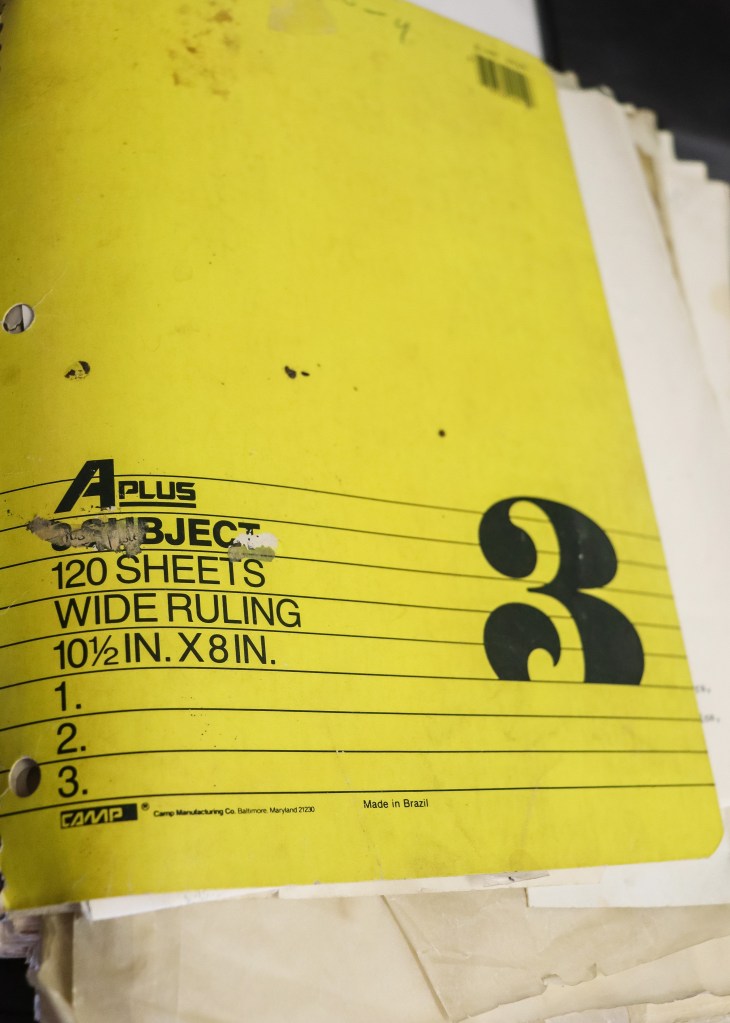
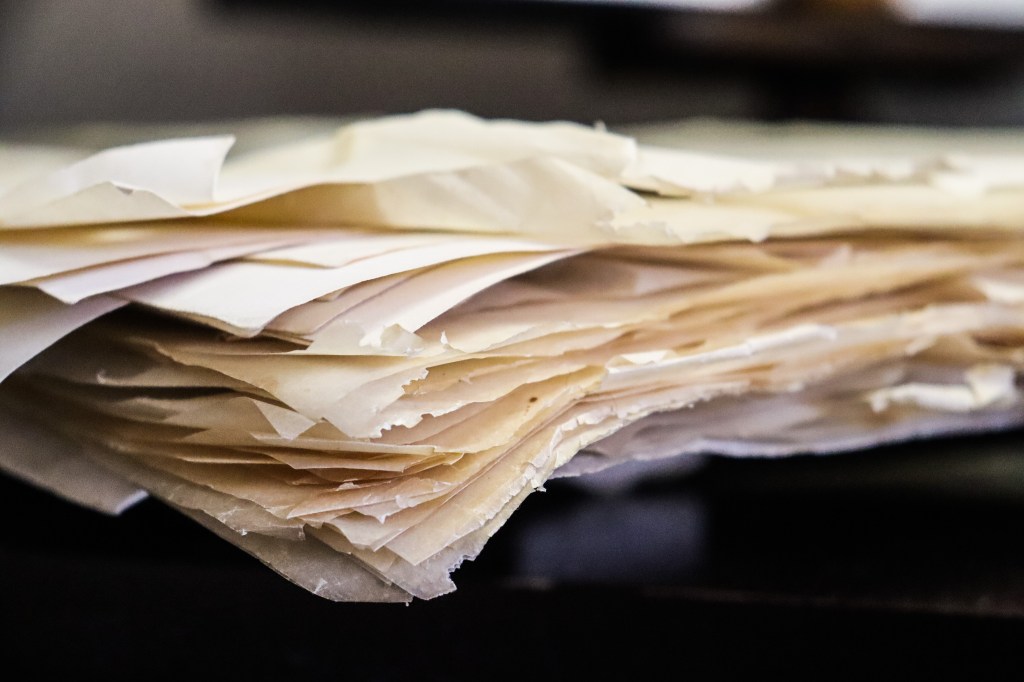
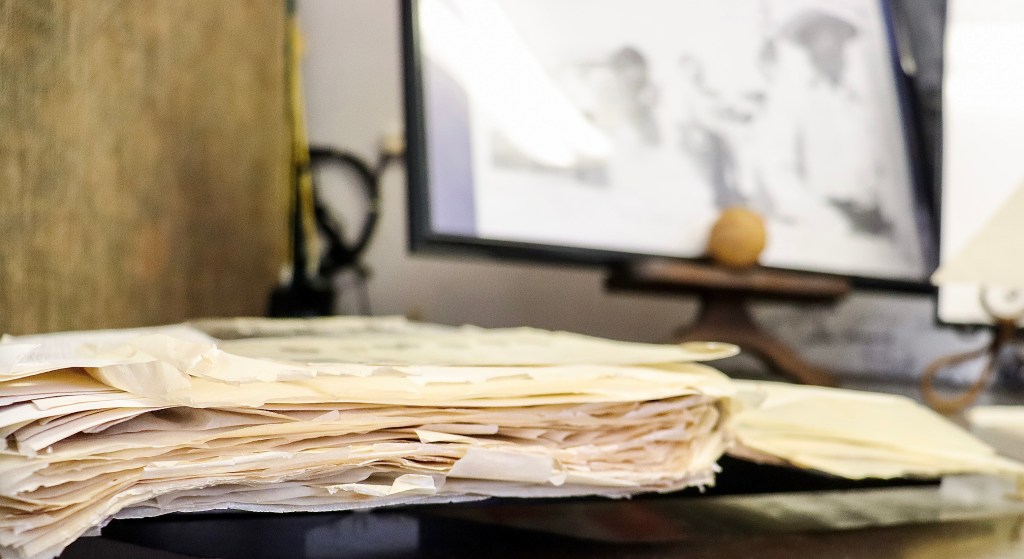
The book was written in a yellow spiral-bound notebook that only has 120 sheets. Parchment paper was added in the notebook to hold extra photos and information included in the book.
Oliver received permission from Wallace to place the book in her care, which led to it being put in the Goldsboro Museum. Oliver said “We Also Ran” will stay in the museum to celebrate local history.
“First, I’d like to give the younger people something that could enlighten them on what went on in the black community in the last 70 years, and secondly, I hope the book would show that, despite the adversity encountered, many Blacks made it as professional people,” Wallace said in the Evening Herald.
Article: https://www.mysanfordherald.com/article/%E2%80%98we-also-ran%E2%80%99-book-about-goldsboro-history-was-never-published
 breasbuzz.com